
Getting stranded on Cole Grade Road or stalling out near Woods Valley is stressful enough without worrying about who to call. That’s where dependable Valley Center towing makes all the difference. Whether it’s a dead battery at dawn, a flat tire on your way to Harrah’s Resort, or a full-blown breakdown on Valley Center Road, having a trustworthy local towing partner on speed dial means one phone call gets your day back on track. S&R Towing has been a name Valley Center drivers recognize since 1985, and that local know-how still shapes how the team handles every call today.
This guide walks through what to expect from a professional tow truck Valley Center service, when to call for a tow versus roadside help, and how to pick a company that treats your vehicle — and your time — with respect.
Why Local Knowledge Matters for Valley Center Towing
Valley Center isn’t a dense city grid. It’s a spread-out rural community with winding backroads, ranch properties, and long stretches between landmarks. A tow operator who doesn’t know the area can waste precious minutes just finding you.
Local familiarity with areas like Woods Valley, Lilac, Cole Grade, Rincon, and Pauma Valley means:
- Faster arrival times because dispatchers already know the shortest routes
- Better judgment about which truck to send for narrow ranch driveways or hillside roads
- An understanding of cell coverage gaps, so drivers can be reached even in low-signal pockets
This is a big reason why residents lean on a company with decades of Valley Center towing experience rather than a random app-based dispatch that may send a truck from far outside the area.
What Services Fall Under Valley Center Towing?
A well-rounded towing company does more than hook up your car and haul it away. Here’s what a full-service provider typically covers.
Passenger and Light-Duty Towing
Most calls involve everyday vehicles — sedans, SUVs, and pickups that have broken down or been in a minor accident. Light-duty tow trucks use wheel-lift or flatbed equipment designed to move your vehicle without adding further damage.
Roadside Assistance
Not every issue requires a full tow. Common roadside fixes include:
- Jump-starts for a dead battery
- Lockout assistance when keys are locked inside
- Flat tire changes
- Fuel delivery if you’ve run dry on a remote stretch
Heavy-Duty and Specialized Recovery
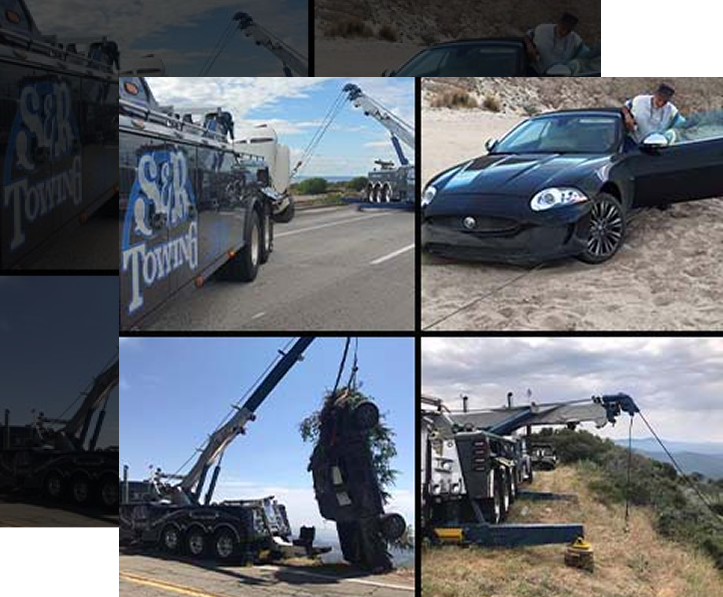
Valley Center’s rural terrain sometimes means bigger recovery jobs — trailers, farm equipment, RVs, or vehicles that have gone off-road. Rotators and heavy wreckers, along with landoll or lowboy trailers, handle these more complex situations.
EV and Hybrid Towing
Electric and hybrid vehicles need manufacturer-safe handling to avoid damaging drivetrain components. A knowledgeable towing partner follows proper procedures for EVs, including coordination with manufacturer roadside programs when needed.
When Should You Call for a Tow Instead of Trying to Fix It Yourself?
It’s a fair question, especially if you’re the type who keeps jumper cables in the trunk. Here’s a simple way to think about it:
- Call roadside help if the fix is quick and safe to do on the shoulder — a jump-start, a spare tire swap, or a lockout.
- Call for a tow if the vehicle won’t start after a jump, there’s visible damage affecting drivability, a warning light suggests a serious mechanical issue, or you’re in a spot that isn’t safe to work in (blind curves, narrow shoulders, low visibility at night).
When in doubt, it’s always safer to request a tow truck Valley Center service and let a professional make the call on-site rather than risk further damage — or your own safety — trying to diagnose it roadside.
What to Expect When You Call
A good towing experience starts before the truck even arrives. Here’s what a professional call should look like:
- A live dispatcher answers — not an automated system or a call center reading from a script with no local context.
- You’re asked for your exact location, vehicle type, and the nature of the issue so the right truck gets sent the first time.
- You receive a realistic ETA. In core Valley Center zones, typical response times run around 30–45 minutes depending on traffic and conditions.
- The driver arrives prepared with the correct equipment for your specific vehicle, whether that’s a wheel-lift, flatbed, or specialty rig.
Tips for a Smoother Towing Experience
A few small steps can make the whole process faster and safer:
- Pull as far off the roadway as possible and turn on hazard lights
- Stay inside your vehicle with your seatbelt on if you’re on a busy road, or move to a safe distance if it’s not safe to remain inside
- Have your exact cross streets or a nearby landmark ready — GPS pins can be inaccurate in rural stretches
- Keep your registration and ID accessible in case the driver needs to verify vehicle ownership
- If you’re arranging a tow for someone else’s vehicle (a family member’s car, for example), have their information ready too
Long-Distance and Scheduled Transports
Not every tow is an emergency. Sometimes you need a vehicle moved from a dealership, a repair shop, or across town on your own schedule. Reputable Valley Center towing providers also handle:
- Dealer-to-dealer transports
- Scheduled service-center drop-offs
- Long-distance towing beyond the immediate Valley Center area
These non-emergency jobs still deserve the same careful, damage-free handling as an emergency roadside call.
Choosing a Towing Company You Can Trust
With so many options a quick search away, it helps to know what separates a dependable provider from a risky one:
- Live dispatch, 24/7. You want a real person answering, especially at 2 a.m.
- Transparent communication. A trustworthy company gives clear ETAs and keeps you updated rather than leaving you guessing.
- Proper equipment for your vehicle. Luxury cars, EVs, motorcycles, and heavy equipment all need different handling.
- Local reputation. A company that’s served the same community for decades has a track record you can actually check.
- Coordination with insurance and auto clubs. Many towing providers work directly with auto club programs and repair shops to simplify the process for you.
Key Takeaways
- Valley Center’s rural layout makes local knowledge essential for fast, accurate tow truck dispatch.
- Full-service towing covers everything from jump-starts and lockouts to heavy-duty recovery and EV towing.
- Choose roadside assistance for quick fixes and a tow for anything involving drivability or safety concerns.
- Having your location, vehicle details, and ID ready speeds up the entire process.
- A reliable provider offers 24/7 live dispatch, realistic ETAs, and equipment matched to your specific vehicle.
Conclusion
Breakdowns rarely happen at a convenient time or place, but knowing who to call for Valley Center towing takes a lot of the stress out of the situation. From quick roadside fixes to full recovery jobs across Woods Valley, Lilac, Cole Grade, Rincon, and Pauma Valley, a locally experienced towing partner keeps you moving safely and gets you back on the road with minimal downtime.
FAQs
- How fast can a tow truck reach me in Valley Center?
Typical response times in core Valley Center zones run about 30–45 minutes, depending on traffic, weather, and your exact location. - Does Valley Center towing cover roadside assistance, or just tows?
Most full-service providers cover both — jump-starts, lockouts, flat tire changes, and fuel delivery, in addition to standard and heavy-duty towing. - Can a Valley Center towing company handle electric or hybrid vehicles?
Yes, provided the company follows manufacturer-safe towing procedures for EVs and hybrids, which differ from standard combustion vehicles. - What areas near Valley Center does towing service typically cover?
Coverage commonly extends to Woods Valley, Lilac, Cole Grade, Rincon, and Pauma Valley in addition to central Valley Center. - Do I need to be present when my vehicle is towed?
For most passenger vehicle tows, yes — you’ll need to be present or have arranged authorization, especially if the tow involves insurance or a scheduled dealer transport.